
October 10, 2026
· Updated October 11, 2026
Beyond the Workout: Boston Fit Pros on Movement, Mental Health & Community
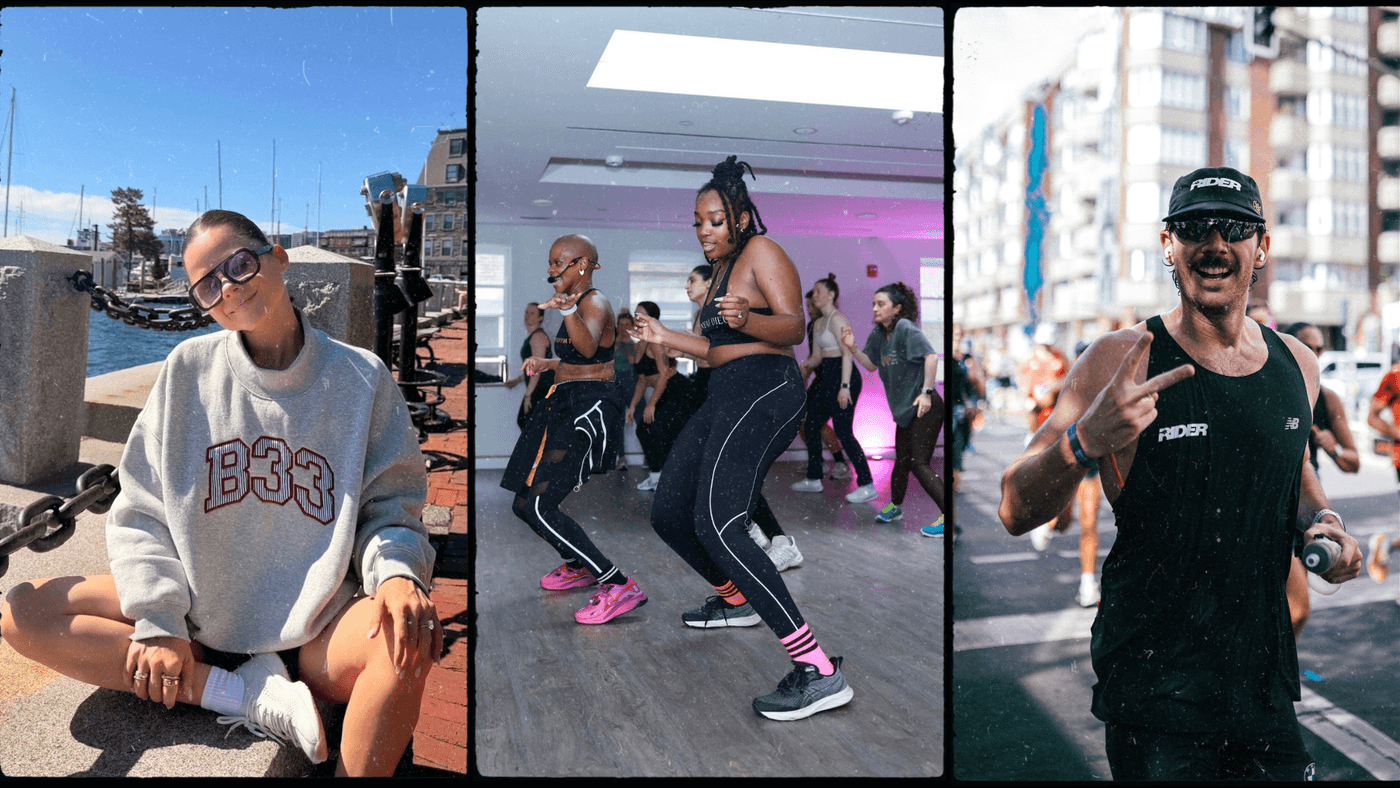
In honor of World Mental Health Day, three Boston Fit Pros share personal perspectives on mental health, finding balance, and the power of movement and community to support our well-being.
In honor of World Mental Health Day, we're talking about what it really means to take care of ourselves—and why movement, connection, and knowing when to slow down all matter.
In fitness, we're often encouraged to push harder, stay consistent, and keep showing up. But what happens when taking care of yourself means doing the opposite?
In honor of World Mental Health Day on October 10, we connected with three Boston Fit Pros to talk about mental health beyond the workout. From personal experiences and everyday grounding rituals to the importance of rest, self-compassion, and community, their perspectives remind us that wellness isn't one-size-fits-all.
Meet Michelle Turner-Young, Founder of SoulFire Movement; Bryn Batchelder, Studio Director at Flight House Fitness and Founder of B33 Collective; and Connor Coyne, Founder of Rider Run Club.
We asked each of them four questions about what mental health means to them, how they care for themselves, and the role movement and community have played in their lives.
Here's what they shared.
MENTAL HEALTH STARTS WITH UNDERSTANDING YOURSELF
Michelle Turner-Young, has developed her understanding of mental health through deeply personal experiences that continue to shape her work. “Growing up in a home and culture where mental health was considered taboo, I’m learning that it’s about how connected I feel to myself and how I process what I’m carrying,” she shares. Those experiences have also shaped the mission behind SoulFire Movement: “That understanding is at the heart of SoulFire Movement: creating spaces where people can reconnect with themselves through movement, mindfulness, and community, and know they don’t have to carry everything alone.”
Bryn Batchelder, has learned the importance of recognizing her limits and protecting her energy. “The most I’ve ever felt like I’ve truly grown as a person was when I stopped trying to please everyone CONSTANTLY (I still do my best to make everyone happy) and tuned more into doing and committing to what I felt like I personally needed.” For Bryn, that can mean turning off her phone, saying no to plans, or creating space in her schedule. As she puts it, “If I’m not pouring enough into me, I can’t pour into you.”
Connor Coyne, sees mental health through the lens of connection and belonging. “Mental health to me is connection, belonging, and making sure others know you don’t have to go on this journey alone.” It's a perspective that extends to the community he's built through running. “It’s the belief that people need people. And through connections and conversations lives are changed.”
FINDING WHAT GROUNDS YOU
There's no single formula for feeling grounded, and the routines that work for one person might look completely different for someone else.
Michelle takes a flexible approach, recognizing that what she needs can change from day to day. “Sometimes it’s dancing, walking, sitting quietly with a book, or playing my sound bowls—whatever helps my body feel safe enough to slow down and reconnect with myself.” Rather than trying to fix every feeling, she's learning to give herself space to experience it. “For me, grounding is learning to listen to myself and give myself permission to need something different every day.”
Bryn finds comfort in the little things that bring her joy. “I try to find whimsy in anythinggggg! Coloring, rainbow sprinkles in my coffee, a show I loved as a kid.” She also keeps a childhood photo of herself on her phone as a reminder to care for the younger version of herself and appreciate how far she's come.
Connor keeps things simple with breathwork and movement. “Breath work emphasizes that you should only be focused on the present and one thing at a time. Movement, whether it’s a run or a walk, allows me to have time for myself and move my body in a positive way.”
Their routines may look different, but they share a common thread: finding small moments to slow down, reconnect, and do something that feels good.
WHEN SHOWING UP MEANS SLOWING DOWN
In a world that often celebrates being busy and pushing through, all three Fit Pros remind us that sometimes the best thing we can do is give ourselves a break.
Michelle encourages anyone feeling overwhelmed to start by acknowledging what they're experiencing. “You don’t have to change your whole life today; sometimes, acknowledging that you’re exhausted is the first step toward choosing something different for yourself.” Whether it's reaching out to a friend, listening to a favorite song, or making a comforting meal, even the smallest step can matter.
Bryn believes discipline isn't always about pushing harder. “I think discipline and hard work are great attributes to have as a person but discipline can also look like saying no and treating yourself with more respect.” Her advice is to extend yourself the same kindness you'd give someone you love. “I always say to my friends “love yourself like you’d love your favorite person that isn’t you” - what would you give them, say to them, treat them on a bad day or at their lowest?”
Connor reminds us that we don't have to be at our best to show up. “I would tell them that they don’t have to be at their best to show up. That it’s okay not to be okay.” And sometimes, that means allowing others to step in when we need support. “But sometimes showing up is giving yourself permission to rest. And when you can’t show up for yourself, you allow someone to show up for you.”
THE POWER OF MOVEMENT & CONNECTION
At Fit Scene, we talk a lot about the power of movement to bring people together. But as these three perspectives show, its impact can go much deeper than the workout itself.
For Michelle, movement and community have played an important role in her healing journey. “As someone who has experienced depression and trauma, understanding the connection between the mind and body has helped me see that, with the right tools and support, change and healing are possible.” It's also what drives her work at SoulFire Movement. “Sometimes, moving your body is more than exercise—it’s a reminder that you are still here, you are not alone, and healing is possible.”
Bryn shares how her relationship with fitness changed when she stopped treating exercise as punishment. “I’ve recently gone through a period in my life where I was using movement to punish my body. I under-ate, I over-exercised, I was exhausted and never rested.” Recognizing the toll it was taking on her mental health led her to approach movement differently. “When I decided I wanted more for me, I began to use movement to empower myself and the rest fell into place.” Today, that means prioritizing rest, enjoying food, building strength, and treating her body with greater respect.
For Connor, movement has created some of the most meaningful relationships in his life. “I truly believe movement sparks connection and connection saves lives.” Through running, he's met people he might never have crossed paths with otherwise, and he believes that sense of belonging is something everyone can benefit from, regardless of fitness level or experience. “Sometimes you just need a reason to leave the house, be around people, and feel like you’re part of something”
Sometimes the most meaningful part of a workout isn't what we accomplish physically, but the connections we make along the way.
WHAT WE TOOK AWAY
Three Fit Pros, three different experiences, and a few important reminders that extend well beyond fitness.
Taking care of yourself looks different every day. Some days it might mean getting outside for a run, dancing to your favorite song, or connecting with friends. Other days, it might mean slowing down, setting a boundary, or giving yourself permission to rest.
Movement should support you, not punish you. Fitness can be a powerful outlet for stress, confidence, and connection, but it doesn't have to be another source of pressure. Finding movement that makes you feel good—and recognizing when you need a break—matters.
You don't have to do it alone. Whether it's a run club, fitness studio, trusted friend, or professional support, having people in your corner can make a difference. Community isn't just about showing up together when things are going well. It's about creating space for one another when they're not.
Perhaps the biggest takeaway? Showing up for yourself doesn't always mean pushing harder. Sometimes it means listening more closely.
World Mental Health Day is a reminder that mental health deserves our attention and care every day. Movement and community can play meaningful roles in supporting our well-being, alongside professional mental health care when needed.
A huge thank you to Michelle, Bryn, and Connor for sharing their experiences and helping us continue this important conversation within Boston's fitness community.
Find your movement. Find your people. Find your scene.